


Busan’s total population fell to 3.257 million in 2024, marking a 0.7% decrease from the previous year and the steepest five-year drop among Korea’s 17 cities and provinces.
Once the second-largest city after Seoul, Busan has now been overtaken by Gyeongnam (3.264 million) in total population for the first time.
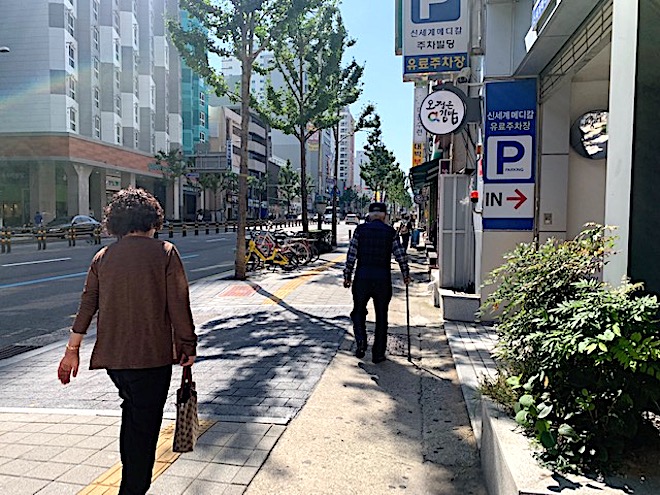
The city’s working-age population (ages 15–64) dropped 2.0%, also the highest decline nationwide, while its median age climbed to 48.9, the oldest among Korea’s eight metropolitan cities.
Three Busan districts — Geumjeong-gu, Yeongdo-gu, and Jung-gu — ranked in the top 10 nationwide for fastest population decrease.
The elderly population (65+) grew 4.6%, reaching 23.6% of Busan’s total, the highest among large cities. The share of single-person elderly households also rose to nearly 13% of all households.
In contrast, regions like Incheon, Sejong, and Gyeonggi saw growth. Despite a slight national population rise of 0.1%, Busan’s decline highlights a serious demographic shift.
Experts warn that if trends continue, Busan could soon face deeper challenges in maintaining its workforce, economic vitality, and social services amid rapid aging and youth outmigration.